

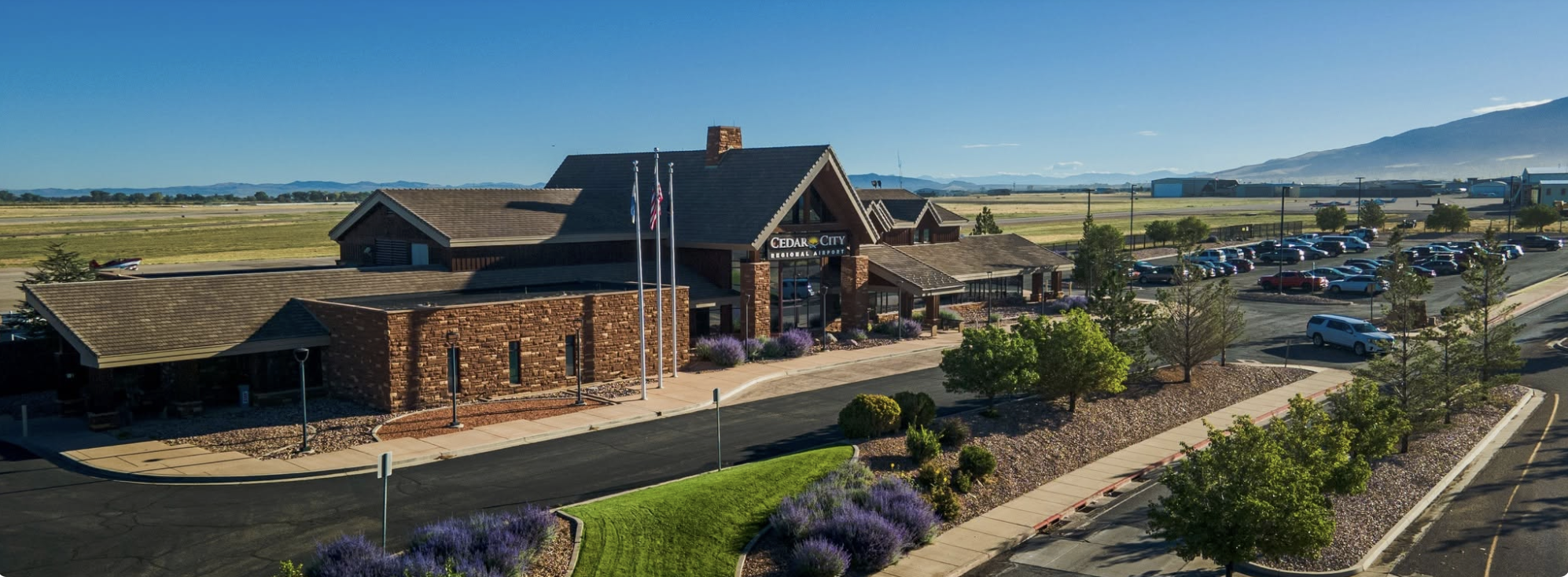
Washington ordered its pilots to attack every wildfire at full force. It didn’t ask whether the airports on the receiving end could handle it.
By midmorning on June 16, the ramp at Cedar City Regional Airport was already running out of room. Tanker planes were stacking up for fuel and retardant refills, ground crews were sprinting between aircraft, and the radio traffic was constant. By sunset, the base had loaded 70 aircraft sorties and pumped 156,005 gallons of chemical retardant, an all-time single-day record, beating the previous high of 130,356 gallons set just last July.
“The sheer volume of activity on the ramp to get our air assets turned around and back in the air to fight fires was amazing to watch.”
— Courtney Christensen, Unit Aviation Manager, Cedar City Tanker Base, June 18, 2026
Cedar City serves a city of 37,000 in southwestern Utah. It was not built to function as an industrial chemical depot. The record it set on June 16 was likely close to what the base can physically do in a day. Whether it can sustain that pace over days or weeks, through successive fire events, is a question the federal government has not bothered to answer in any public document.
The directive that set the tempo
In February, U.S. Forest Service Chief Tom Schultz signed a directive requiring full suppression on every unplanned ignition across national forest land, with no exceptions above a threshold fire size. The previous framework let incident commanders triage during multi-fire situations, shifting resources toward the more dangerous fire and monitoring a lower-priority one. That flexibility is gone.
“Predictive services indicates the 2026 fire year will challenge us. I expect leaders at all levels to prioritize firefighter and public safety at the core of all decisions.”
— Tom Schultz, Chief, U.S. Forest Service, operational directive memorandum, 2026

The policy logic is reasonable. Early aerial attack tends to keep fires smaller, and the politics of a fire that spreads while aircraft sat idle are ugly. But the directive was written without apparent accounting for what it requires at the small municipal airports that actually execute it.
Federal rules cap fire pilots at eight flight hours per day with mandatory rest requirements between shifts. When several large fires erupt in the same region in quick succession, as they did across the Great Basin in June with four major fires burning more or less simultaneously, flight crews hit their legal limits within two or three days. The aircraft were available. Getting pilots who were legally current to fly them was the harder problem, and it appears nowhere in any official account of the season.
Planes that aren’t flying
Washington’s response to capacity questions is typically to cite the deployment numbers. Erickson Aero Tanker offers a more instructive data point.
The company purchased seven retired MD-87s and has been converting them into firefighting tankers capable of carrying roughly 4,000 gallons of retardant per drop, exactly the kind of private fleet investment the federal government says it wants to encourage. As of this month, three of those seven planes are certified and flying. The other four are waiting on approval from the Interagency AirTanker Board, which requires an 18-month certification process for retrofitted aircraft before they can operate under long-term federal contracts. More than half of Erickson’s purchased fleet is grounded not for mechanical reasons but because the approval cycle hasn’t finished.
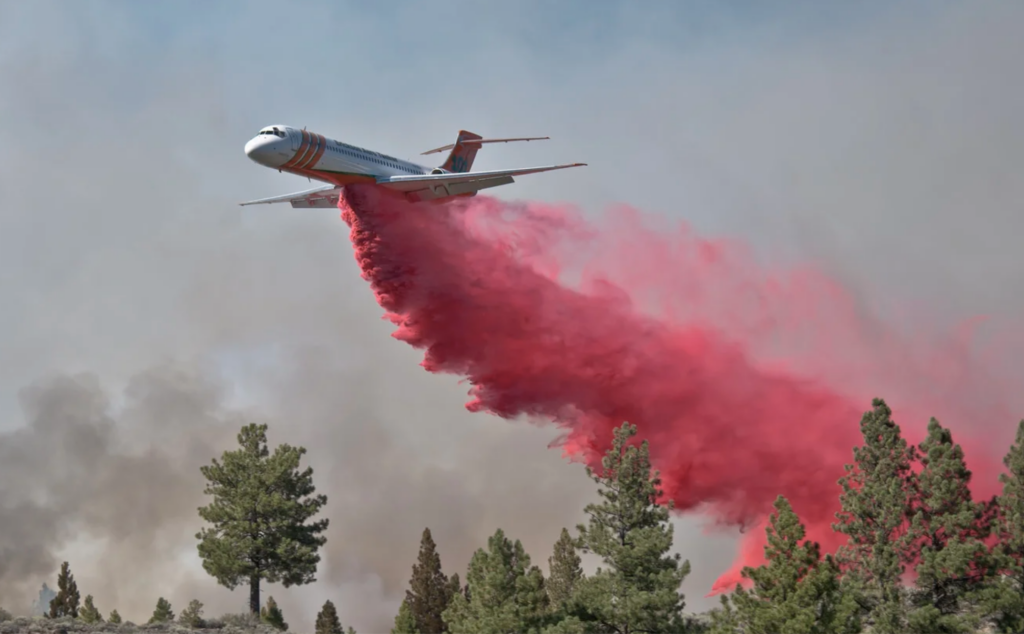
Across the national fleet, about 35 large air tankers operate under federal contracts. Routine maintenance keeps five to seven unavailable at any given time, a readiness rate of around 80 percent against a policy requiring full aerial attack on every fire across 193 million acres. When fires cluster during heat events, which is when they tend to, that margin disappears quickly.
The review to watch
The mid-July review of mandatory availability contracts is the next concrete decision point. These agreements govern which tankers must be on standby and on what schedule. If the review produces any modifications, faster certification tracks, adjusted deployment schedules, or extended maintenance windows, it will suggest that someone in the system has privately concluded the current setup cannot sustain the tempo the directive demands.
Cedar City’s record on June 16 was a genuine operational achievement by the people on the ramp. It was also, almost certainly, close to the ceiling. The back half of the season will test whether the rest of the system has figured that out.
Sources
1. Cedar City Air Tanker Base Shatters Record Supporting Area Wildfires. Daily Dispatch, June 18, 2026. https://dailydispatch.com/fire-news/utah/cedar-city-air-tanker-base-shatters-record-supporting-area-wildfires/
2. Utah Iron Fire Evacuations: Eureka Town Ordered Out. AcademicJobs.com Global News, June 21, 2026. https://www.academicjobs.com/global-news/utah-iron-fire-evacuations-eureka-town-ordered-out-or-academicjobs-24384
3. Tom Schultz outlines 2026 Forest Service fire strategy. Fire & Safety Journal Americas, February 2026. https://fireandsafetyjournalamericas.com/usfs-forest-service-2026/
4. Aerial firefighters gather to prepare for 2026 wildfires. National Interagency Fire Center (NIFC), February 13, 2026. https://www.nifc.gov/fire-information/news-releases/aerial-firefighters-gather-prepare-2026-wildfires
5. Erickson Aero Tanker to receive approval for their MD-87s. Wildfire Today, June 2026. https://wildfiretoday.com/erickson-aero-tanker-to-receive-approval-for-their-md-87s/
6. NIFC Aviation Safety Log, 2026. National Interagency Fire Center, 2026.
7. Utah State Emergency Management Bulletin, June 2026. Iron Fire situational reporting, June 2026.
8. Interagency AirTanker Board Regulatory Filing, June 2026. IATB interim approval framework documentation, June 2026.